
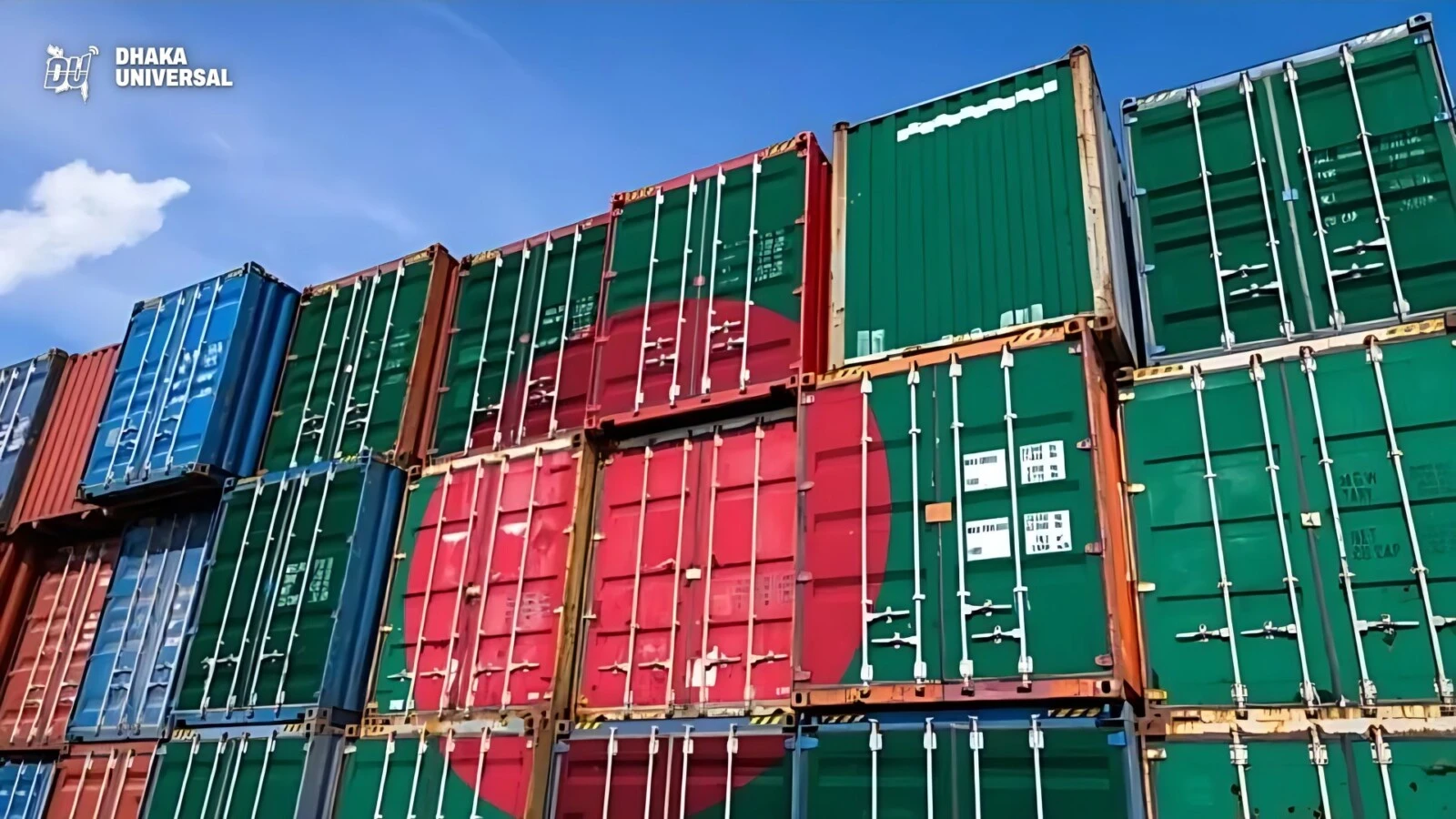
Bangladesh is selling more to some of Asia’s biggest markets, and that could help the country depend less on the US and Europe.
Data from the Export Promotion Bureau (EPB) shows that exports to several major Asian countries grew in the first quarter of the current fiscal year, from July to September.
Exports to China rose 9.33 per cent to $225.41 million, up from $206.18 million a year earlier. Shipments to South Korea increased 7.29 per cent to $134.55 million, compared with $125.41 million before. India took in goods worth $510 million, a 5.44 per cent rise from $483.71 million.
Japan stayed a key destination too. Exports there reached $399.11 million, slightly higher than $396.11 million in the same period last year.
The overall picture is positive as well. Bangladesh earned $13.09 billion from merchandise exports in the quarter, up 6.34 per cent from $12.31 billion a year earlier.
Why this matters
For years, the US and Europe have been the main buyers of Bangladeshi goods. Growth in Asian markets shows there is room to widen that base, strengthen regional trade ties and take a bigger part in Asian supply chains.
But growth will not keep going on its own. It needs products that can compete, standards that meet buyers’ rules, better logistics and easier access to buyers and distributors.
What the EPB says
Speaking to BSS, EPB Vice Chairman Muhammad Hasan Arif said Bangladesh needs a stronger presence in Asia. He said this should begin with a close look at how each product is performing, what buyers want and where new chances exist beyond the usual export basket.
On China, he said the country offers a huge market and room for new product categories. The EPB is pushing product diversification there. Several Bangladeshi companies took part in the 10th China South Asia Expo and the 30th China Kunming Import Export Fair 2026 with EPB support. He said such events help exporters show their products, meet buyers and understand changing demand.
On India, he pointed to its closeness and large consumer market. “India is our neighbouring country. So, there is huge scope to expand exports in the Indian market. We are trying to resolve the barriers,” he said. He added that tariff and other trade barriers remain a major challenge and need to be addressed.
For South Korea, he said Bangladesh can grow exports through more product variety and stronger business links. Apart from readymade garments, he named leather goods, footwear, jute products, home textiles, pharmaceuticals and processed food as areas with potential.
For Japan, he listed the same range and added light engineering products. He stressed that quality, compliance, timely delivery and a clear understanding of market needs are key to success in both countries.
The EPB says it is supporting exporters through trade fairs, business delegations, market exploration and promotional activities to help spread Bangladesh’s exports across more countries and more products.
The numbers are a good start. The next test is whether Bangladesh can turn this early growth into lasting trade beyond its traditional markets.