
Some of Islami Bank’s tax cases have been pending for so long that the oldest one goes back to the 1997 income year. Now the tax authorities want to close them without waiting for the courts.
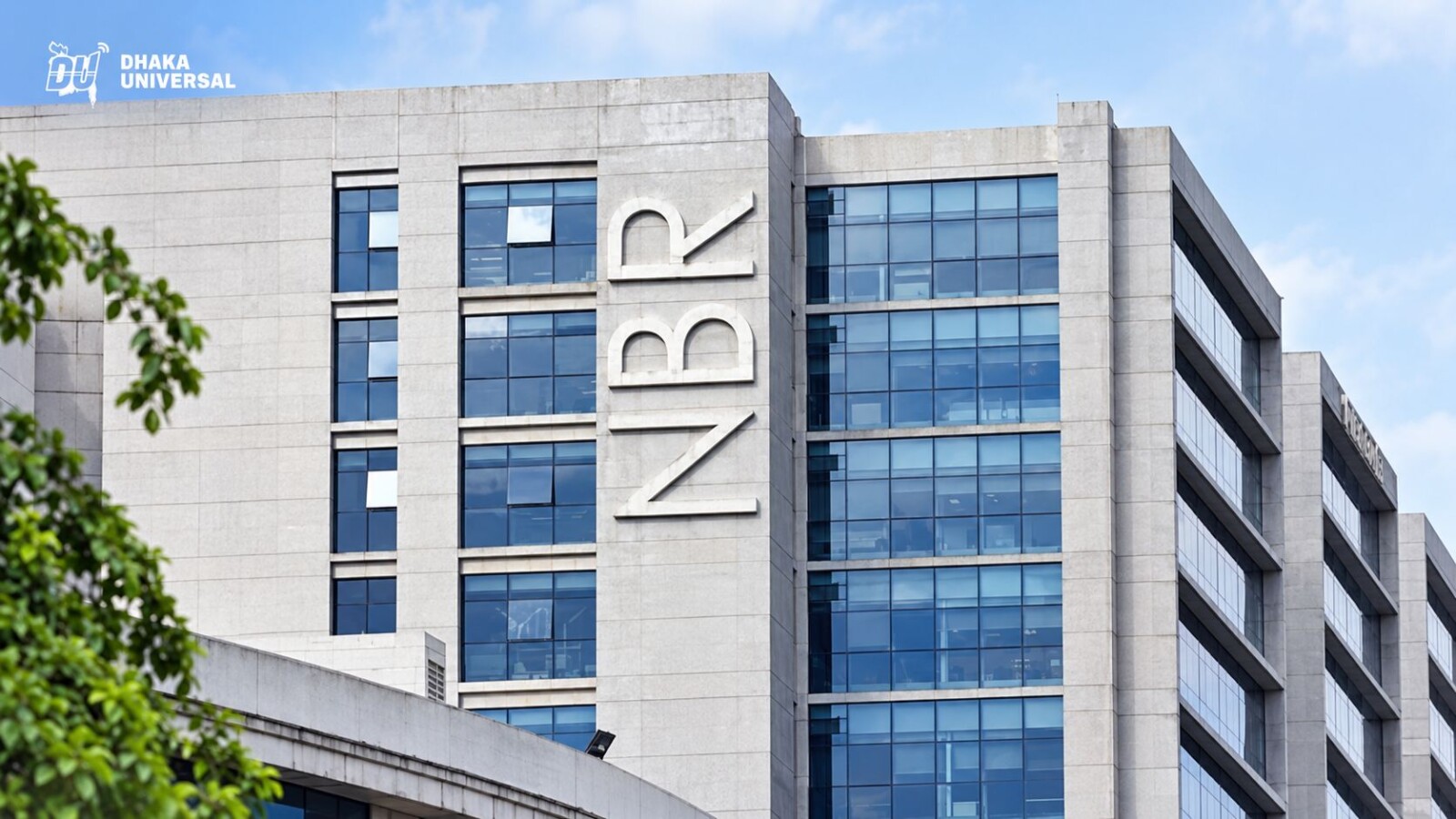
The Large Taxpayers Unit (LTU) of the National Board of Revenue (NBR) has asked Islami Bank Bangladesh PLC to settle income tax disputes worth Tk 4.68 billion through the Alternative Dispute Resolution (ADR) process. All the cases are currently pending with the High Court.
The LTU sent a notice on September 27. It asked the bank to submit issue-wise explanations and supporting documents by October 12, so that an early settlement becomes possible. The letter to the bank’s managing director was signed by Md Mustafizur Rahman, commissioner of taxes at LTU Dhaka.
The disputes cover 14 income years. The biggest share comes from the 2020-21 tax year, with Tk 1.82 billion in dispute. The 2019-20 year follows with Tk 1.22 billion. Together, these two years make up Tk 3.04 billion, which is nearly 65 per cent of the total.
Other disputed amounts include:
Tk 518.2 million for 2009-10
Tk 353 million for 2018-19
Tk 233 million for 2021-22
The rest relate to income years from 2002 to 2009 and 1997, with varying amounts. The 1997 income year, which matches the 1998-99 assessment year, is the oldest case.
The move follows an NBR directive issued on July 6. It also follows the finance minister’s instructions at a meeting on August 13, which asked officials to give priority to settling High Court tax cases out of court through ADR. The government is trying to clear long-pending tax litigation and recover disputed revenue without waiting for lengthy court proceedings. ADR lets taxpayers and tax authorities look for a settlement outside the courtroom, which can save both time and cost.
The bank says its hands are tied by its finances. M Kamaluddin Jasim, additional managing director and current acting managing director, said Islami Bank was once among the highest taxpayers in the banking sector. He said it had always been willing to pay its due taxes when its financial condition allowed. “The bank’s current financial condition is now too weak to pay the taxes,” he said.
The numbers in the background back up his concern. Islami Bank’s financial position started to worsen after 2017, the year S Alam Group took it over. Its profitability has kept falling, and it has still had to pay profits to depositors. According to available records, the group later directed around 80 per cent of the bank’s total loans to its own companies and related firms, which broke banking rules and regulations.
After the Awami League government fell in August 2024 following the July mass uprising, the bank came out of the group’s control and began operating under Bangladesh Bank’s supervision.
As of June this year, Islami Bank also held the largest amount of non-performing loans among banks. Out of the banking sector’s total NPLs of around Tk 6.0 trillion, the bank accounted for about Tk 989.14 billion. That is 52.15 per cent of its disbursed loans.
So the question is whether a bank in this condition can actually pay, and whether ADR will lead to a real settlement. Syed Aminul Karim, a former ADR facilitator and former member of the NBR’s income tax policy wing, said the process needs willingness from both tax officials and taxpayers. In his words, the out-of-the-box settlement process must not be started only to spend time. He also said the ADR law needs revision, so that officials who approve settlements are not held personally responsible for possible revenue losses.
For now, the next step is on the bank’s side. After October 12, it will become clearer whether this push can finally close a dispute that has run for more than two decades.