
Bangladesh’s first nuclear power plant now has the fuel it needs to start producing electricity.
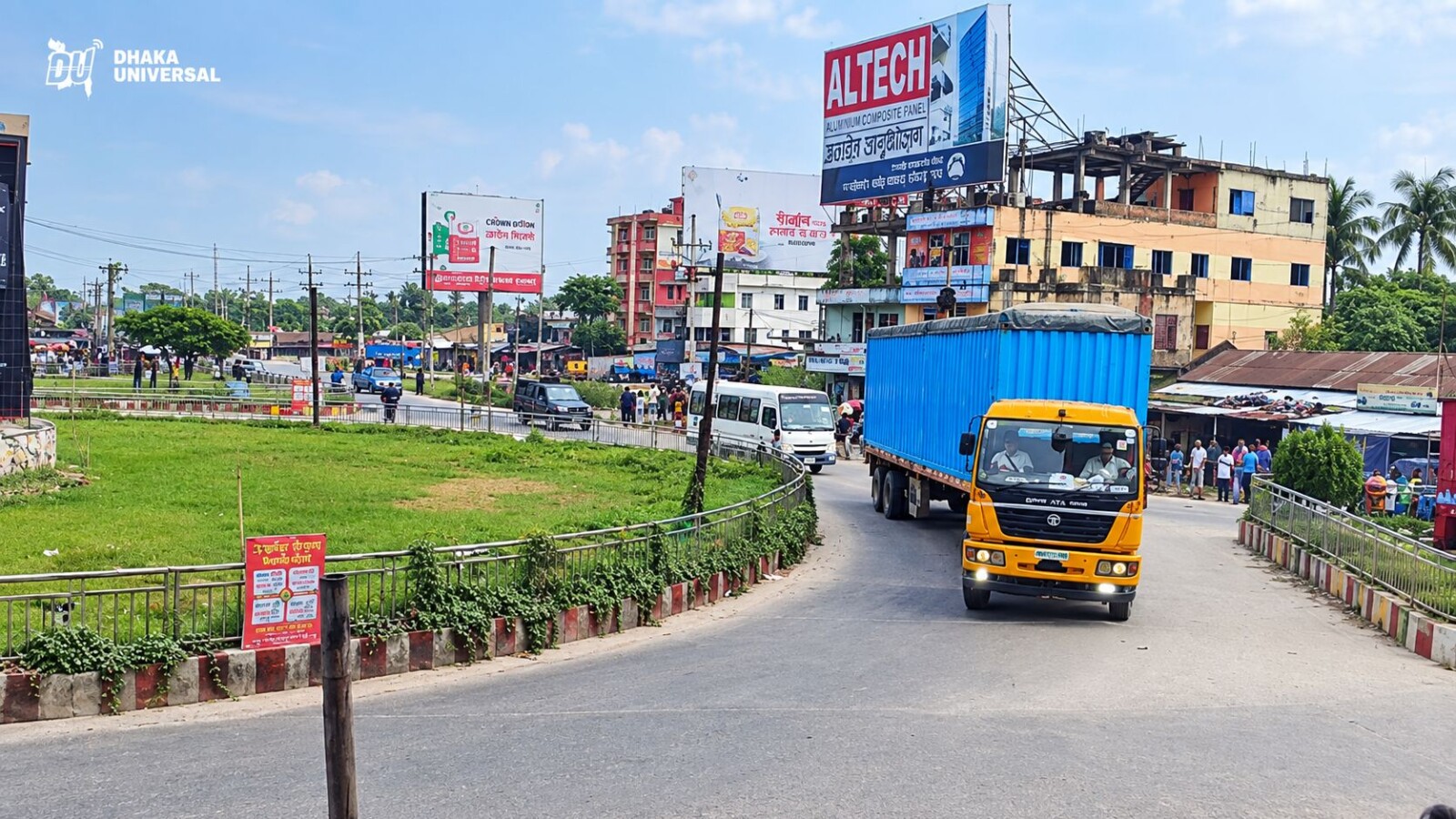
A convoy carrying uranium fuel for the first unit of the Rooppur Nuclear Power Plant reached the site in Pabna this afternoon, 3 October, after leaving Hazrat Shahjalal International Airport in Dhaka this morning.
The fuel travelled in three lorries. According to media reports, the Bangladesh Army led the security effort. The Special Response Battalion, police and several intelligence agencies also took part.
The fuel had arrived in Dhaka by special cargo flight late last night. The plane landed at around 11:43pm, airport executive director Group Captain SM Ragib Samad told The Business Standard. He said information about the movement of the consignment is classified.
Earlier in the night, Civil Aviation and Tourism Minister M Rashiduzzaman Millat paid a surprise visit to the airport. He said police had taken the necessary security measures for the shipment.
The delivery did not go as planned. The shipment was first due on 24 September, but it was delayed after Pakistan did not allow the aircraft to use its airspace. Even the final flight ran several hours late. It was expected yesterday afternoon.
This matters because Bangladesh formally entered the nuclear power era on 28 April, when fuel loading began at Unit 1. That step set the stage for the country’s first nuclear electricity to be added to the national grid in the coming months.
Rooppur is located about 160 kilometres from Dhaka. It is being built with Russian financial and technical support under a general contract signed in December 2015, after an earlier survey agreement in 2013. The project is estimated to cost $12.65 billion.
The plant will have two units, each able to produce 1,200MW, for a combined capacity of 2,400MW. It uses VVER-1200 Generation III+ reactor technology, which is regarded as one of the most advanced designs. It includes active and passive safety systems, multiple layers of protection and a core catcher.
Russia has supplied the uranium fuel and will keep supplying it throughout the plant’s operation. Russian experts will run the plant at first, with Bangladeshi staff working beside them. Within three years, Bangladeshi personnel are expected to gradually take over the lead. Once complete, the plant will be run by the Nuclear Power Plant Company of Bangladesh.
Project experts say the facility is designed to run for 60 years, and its life could be extended to up to 100 years.
Construction of Unit 1 is complete. Work on Unit 2 is ongoing and is expected to finish by the end of next year.
After years of planning and construction, the fuel is now at the plant, and the next big milestone is power reaching the national grid.